
What is Abusive Head Trauma (AHT), also known as Shaken Baby Syndrome (SBS)?

Abusive Head Trauma (AHT)or Shaken Baby Syndrome (SBS) is a serious injury that can happen when an infant's head is hurt on purpose or by shaking. AHT used to be called shaken baby syndrome. It can cause brain swelling, bleeding, and long-term problems for babies or even death. Babies' heads and necks are very fragile, and even a short but forceful shake can lead to big harm. A lot of these injuries happen when a caregiver is frustrated by crying, not because they want to hurt the child. Crying is normal, but if a caregiver doesn't understand why a baby cries or how to cope with it, this can increase the risk of AHT. AHT is one of the leading causes of serious injury and death in very young children.
Why Babies Are at Risk
Babies cry — a lot. Crying is their way of talking when they are too young to use words. Babies often cry more in the first few months of life, and it can be hard for caregivers to know what to do when soothing doesn't seem to work. Because of this, parents and caregivers sometimes feel frustrated, overwhelmed, or unsure how to handle the crying. In these moments, without the right support. some caregivers may shake the baby out of desperation or stress rather than malice.
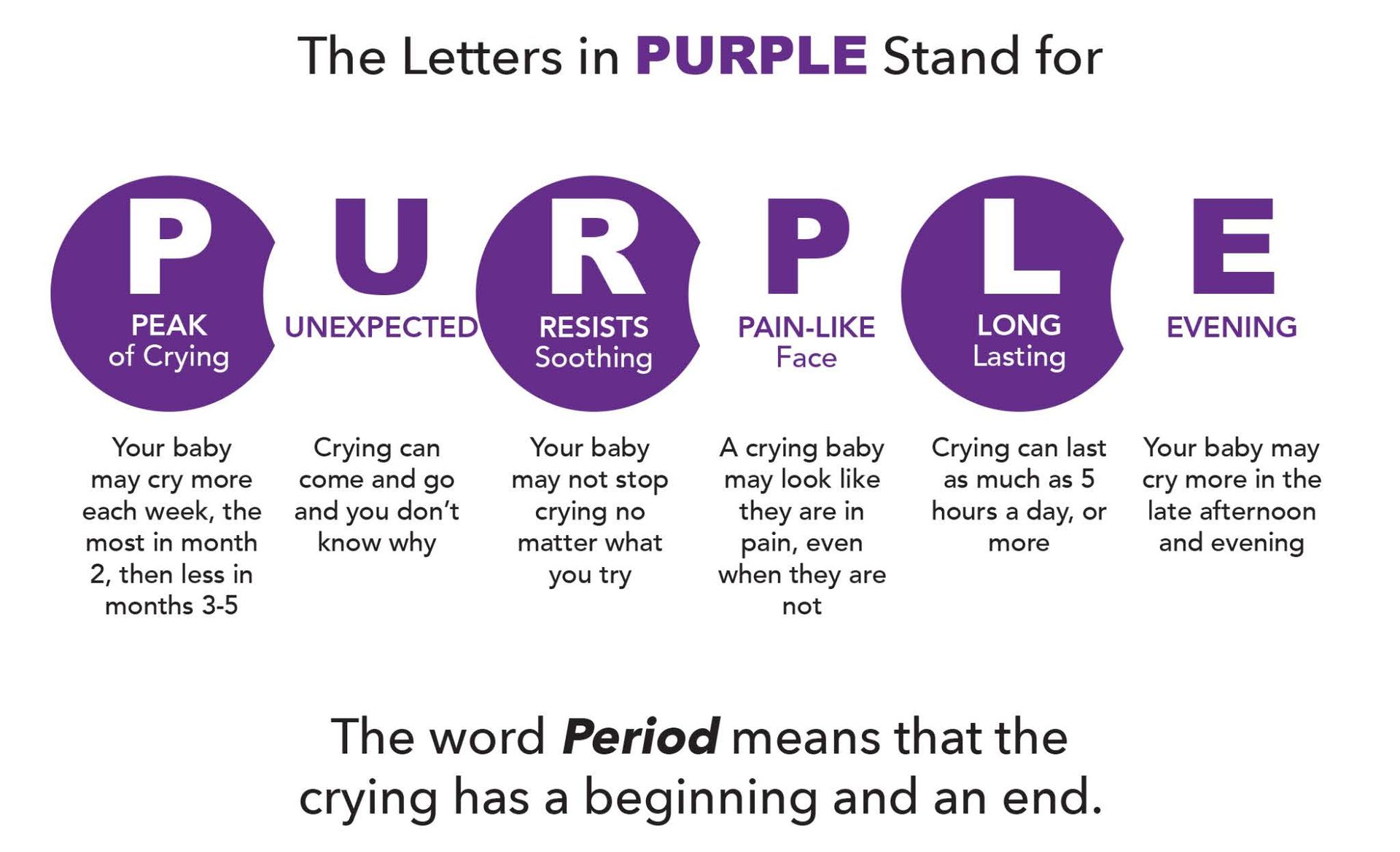
The name PURPLE is an acronym that explains normal infant crying patterns:
- Peak of crying — crying usually peaks around 2 months
- Unexpected — crying can come without warning
- Resists soothing — sometimes nothing seems to work
- Pain-like face — babies can look like they are in pain even when they’re not
- Long-lasting — crying can last for a long time
- Evening — crying is often worse in the evening
The program also teaches caregivers how to calm themselves and what to do if they feel overwhelmed. This can help reduce
frustration and teach positive ways to cope with crying. The Period of PURPLE Crying has been used in hospitals and communities
across the U.S. and around the world to help parents learn about crying and prevent AHT (National Center on Shaken Baby
Syndrome, n.d.; U.S. Administration for Children and Families, n.d.).
How Education Helps Families
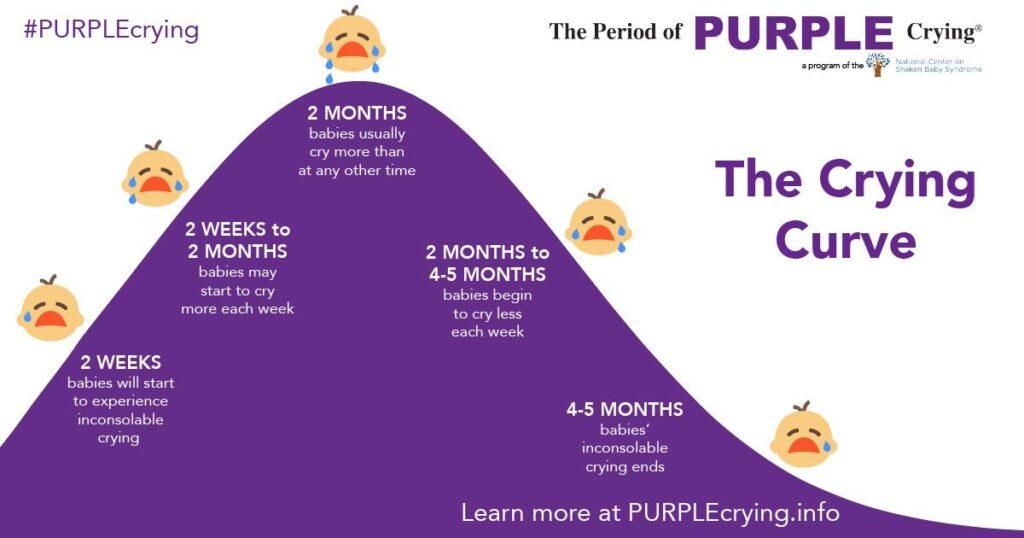
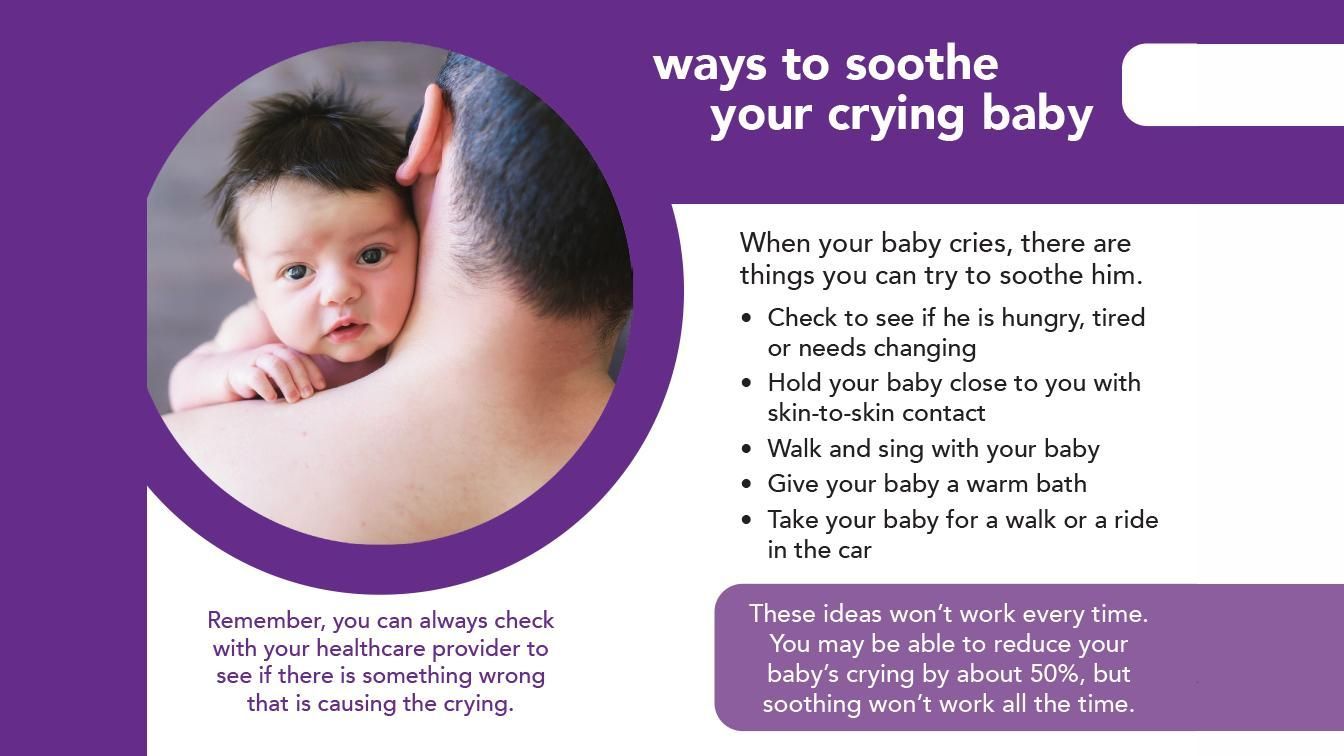
Education programs do a few important things:
- Teach knowledge — parents understand what is normal crying and why infants cry (National Center on Shaken Baby Syndrome, n.d.).
- Teach coping strategies — families get tools to stay calm when crying is hard to handle.
- Encourage safe breaks — caregivers learn to put the baby safely down and take a short break when needed.
- Support caregivers emotionally — feeling supported helps families feel less stressed
Research shows that educational programs like the Period of PURPLE Crying can improve parents’ understanding of normal infant
crying and what can trigger dangerous responses like shaking (Barr et al., 2014; Additional studies show that education increases
caregiver knowledge about infant crying and shaking risks (Oxford Academic, 2020).