
Strong Partnerships Equals Strong Families
How Children Trust Michigan Helps Prevent Abuse and Neglect
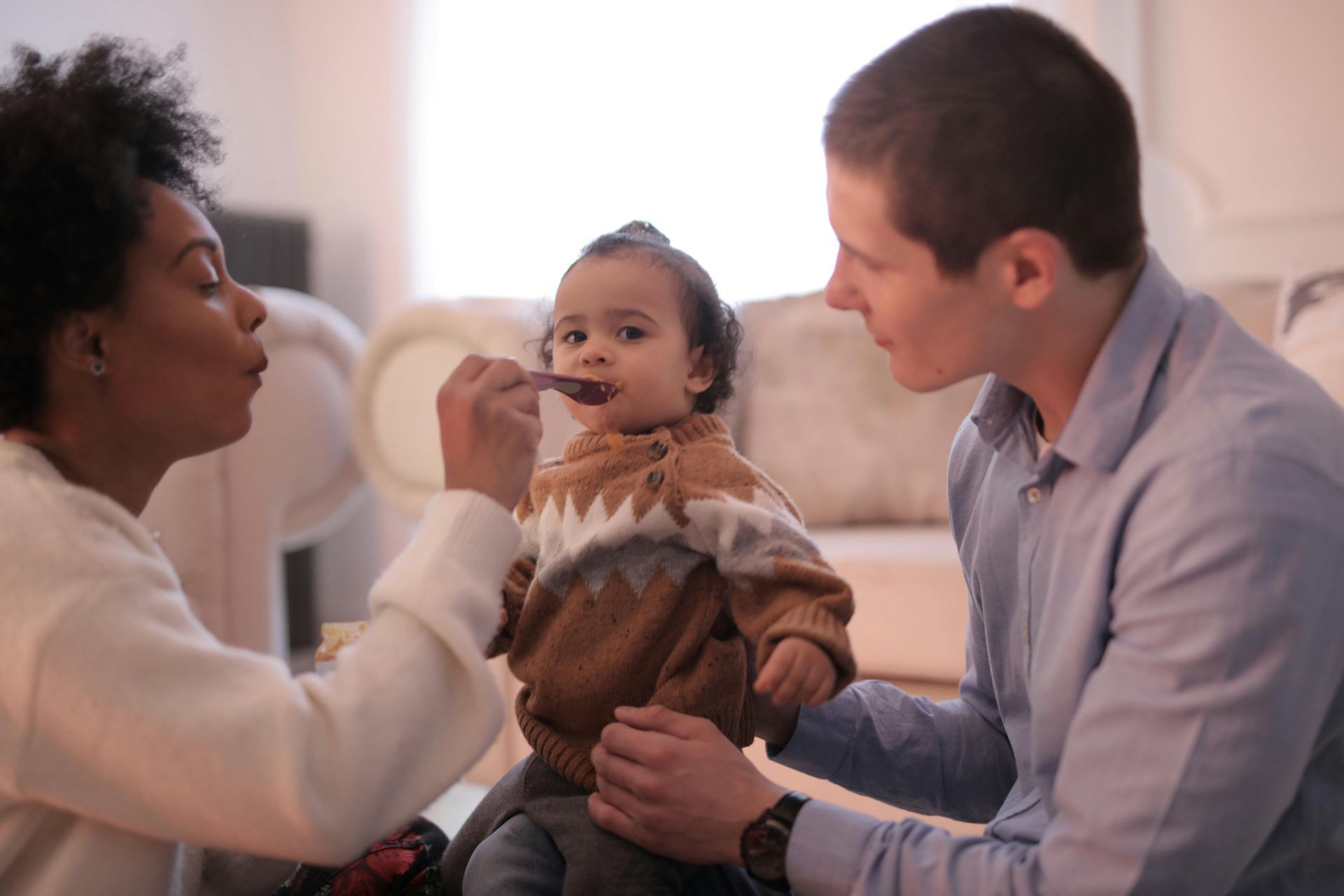
Children Trust Michigan funds primary prevention, secondary prevention, and Family Resource Centers (FRCs) that provide:
- Baby pantries and food pantries
- Diapers, wipes, formula, and hygiene supplies
- Safe sleep supports (portable cribs, education)
- Car seats and safety equipment
- Parent education and parenting groups
- Playgroups and early childhood developmental support
- Help accessing concrete needs (utilities, transportation, referrals)
- Supportive social connections and case management
By offering these community-based supports, CTM and its prevention partners reduce family stress, increase resilience, and directly address the conditions that most often lead to neglect.
Child Abuse Prevention
Each April, CTM raises additional awareness during Child Abuse Prevention Month. We join communities across Michigan by sharing the Governor’s Proclamation and encouraging everyone to participate in National Wear Blue Day to show their support for safe and strong families.
Below is the current Governor’s Proclamation, followed by the infographic for Wear Blue Day in April 2026.
Child Abuse Prevention Month
Wear Blue Day
Every April we kick off CAP Month with Wear Blue Day! This year Wear Blue Day is Friday, April 10, 2026.
Share on social media your support for Wear Blue Day with the #MIWearsBlue.
Pinwheels for Prevention
Have you ever wondered why you see an influx of Pinwheels in April? Well that is because in 2008, Prevent Child Abuse America (PCAA) introduced the Pinwheels for Prevention® campaign. Research shows that people respond positively to pinwheels, which represent childlike whimsy and lightheartedness. PCAA’s and our vision is for a world where all children grow up happy, healthy, and prepared to succeed in supportive families and communities.
To find out more about Pinwheels for Prevention, CLICK HERE to visit our National Partner PCAA.
Frameworks for Child Abuse Prevention
Healthy Outcomes from Positive Experiences (HOPE)
More InformationThe HOPE framework organizes PCEs into four “building blocks”:
- Nurturing relationships
- Safe, stable environments
- Constructive social engagement
- Emotional growth opportunities
- Nurturing relationships
Strengthening Families Protective Factors
More InfromationThe five protective factors help buffer families from stress and reduce the risk of abuse or neglect.
- Parental resilience
- Social connections
- Concrete supports in times of need
- Knowledge of parenting and child development
- Social-emotional competence of children
- Parental resilience
Positive Childhood Experiences (PCEs)
Research shows PCEs promote long-term mental health and reduce the impact of trauma. Examples include:
- Feeling safe, seen, and cared for
- Having supportive adults
- Being part of community traditions
- Feeling like they belong in school
- Feeling safe, seen, and cared for
Child Maltreatment Stats
Neglect is also responsible for a large share of child-maltreatment related fatalities. Some estimates say neglect contributes to about three-quarters of fatalities linked to child abuse and neglect (Prevent Child Abuse America, 2023). Thus, while “child abuse” often evokes images of physical violence or sexual harm, the reality for most children involved with child-welfare systems is neglect. Neglect occurs by failing to provide basic needs, supervision, care, or emotional support.




According to national data, neglect is the most common form of child maltreatment. Neglect also contributes to the majority of child maltreatment fatalities, approximately 72% of child deaths involve neglect (HHS, 2024). These numbers reinforce that the most significant threat to child safety is not intentional abuse — it's unmet basic needs.