
Our Approach
The Strengthening Families Protective Factors Framework
Children Trust Michigan grounds all work in the research-informed Strengthening Families Protective Factors Framework. This strengths-based approach prevents child abuse/neglect by promoting family well-being, helping families build protective factors, and supporting Healthy Outcomes from Positive Experiences (HOPE). Resources are provided to prevention partners and programs to foster HOPE using this common approach. Integrating Protective Factors into all interactions offers a shared language focused on family strengths, enabling families to identify and build their own Protective Factors for positive development.
Concrete Supports
Access to supports and services that reduce stress and help to make families stronger.
Knowledge of Parental and Child Development
The ability to exercise effective parenting strategies to guide and know what to expect as children develop in multiple domains (physical, cognitive, language and social and emotional).
Parental Resilience
The ability to recover from difficult life experiences, and often to be strengthened by and even transformed by those experiences.
Social Connections
The ability and opportunity to develop positive relationships that lessen stress and isolation and help to build a supportive network.
Social and Emotional Development of Children
Family and child interactions that help children develop the ability to communicate clearly, recognize and regulate their emotions and establish and maintain relationships.

Healthy Outcomes from Positive Experiences (H.O.P.E.)
Since 2022, CTM has integrated the Healthy Outcomes from Positive Experiences (HOPE) framework into its prevention network and internal operations. HOPE, the "Now What" for Adverse Childhood Experiences (ACEs), is being implemented through training for Prevention Partners and other organizations. CTM is working toward becoming a certified HOPE-Informed Organization with the HOPE National Resource Center, which provides research showing that positive childhood experiences (PCEs) lead to healthy, resilient adults.
The HOPE framework has Four Building Blocks essential for children to thrive: Relationships (safe, supportive connections), Environment (safe, equitable, stable settings), Engagement (social/civic opportunities for belonging), and Emotional Growth (support through difficult emotions and events).
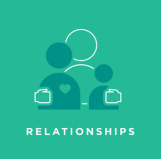
Safe and supportive relationships within the family and with other children and adults.

Safe, equitable, and stable environments where children can live, learn, and play.

Opportunities for social and civic engagement to develop a sense of belonging and connectedness.
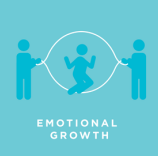
Opportunities for emotional growth where children feel supported through difficult events and emotions.
How Protective Factors Connect with HOPE
The HOPE National Resource Center, in partnership with the Center for the Study of Social Policy (CSSP) and the National Association of County and City Health Officials (NACCHO), created this resource.
Both frameworks provide a research-based set of ideas for delivering services to help children, youth, and families thrive.
Families, communities, and organizations can increase access to the four Building Blocks of HOPE and build Protective Factors.
HOPE's blocks align with the Protective Factors framework as seen below.
List of Services
-
Relationships -> Social Connections Write a description for this list item and include information that will interest site visitors. For example, you may want to describe a team member's experience, what makes a product special, or a unique service that you offer.List Item 1
-
Environment -> Concrete Supports Write a description for this list item and include information that will interest site visitors. For example, you may want to describe a team member's experience, what makes a product special, or a unique service that you offer.List Item 2
-
Emotional Growth -> Resilience Write a description for this list item and include information that will interest site visitors. For example, you may want to describe a team member's experience, what makes a product special, or a unique service that you offer.List Item 3
-
Emotional Growth -> Social & Emotional Write a description for this list item and include information that will interest site visitors. For example, you may want to describe a team member's experience, what makes a product special, or a unique service that you offer.
-
Emotional Growth -> Child Development Write a description for this list item and include information that will interest site visitors. For example, you may want to describe a team member's experience, what makes a product special, or a unique service that you offer.