
Small Changes Can Make Big Differences
Strengthening Families:
Children Trust Michigan's Approach to Prevention
Children Trust Michigan uses the Strengthening Families Protective Factors Framework (SFPF) as the foundation for statewide, community-based prevention efforts. This approach builds on five key Protective Factors that help families stay strong, reduce stress, and prevent child abuse and neglect. We believe every family has strengths, and communities across Michigan can play a major role in helping those strengths grow.
The Strengthening Families approach is a way to help families be strong and happy so kids stay safe. It helps families find and use their own ways to stay strong.
Children Trust Michigan stands behind the research of the Protective Factors Framework. This is supported by having all of the CTM funded programs trained in the SFPF. To learn more about SFPF and look at training possibilities visit the local
prevention partner
in your county or CTF Alliance
HERE.
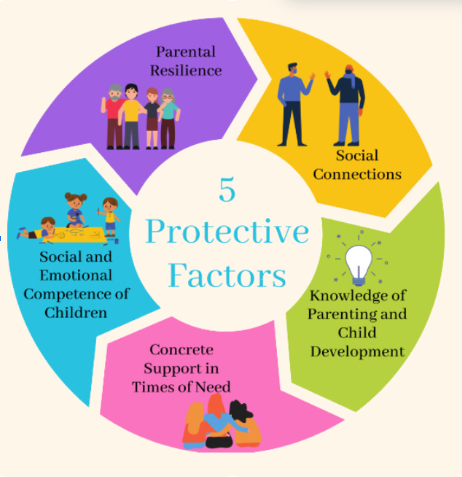
5 Protective Factors
Parental Resilience
The ability of parents to cope with stress, recover from challenges, and keep going.
Services funded or supported by Children Trust Michigan help parents build resilience: support groups, mental health resources, peer connections.
Social Connections
Friends, family, neighbors, and community members who offer emotional and practical support. No one should raise children alone.
CTM’s Prevention Partners — help families feel connected and supported: local support networks, community centers, churches, neighborhood groups, and parenting circles.
Knowledge of Parenting & Child Development
Understanding what children need at different ages, what behaviors are normal, and how to respond with appropriate patience and support. Knowledge helps parents respond calmly rather than with frustration.
CTM-funded: parenting classes, workshops, resource materials, and guidance help caregivers gain confidence and understanding.
Concrete Supports in Times of Need
Access to basic needs — food, housing, childcare, transportation — especially during crisis or hardship.
CTM’s network of prevention partners provide: referrals or direct assistance to families facing hardship.
Social & Emotional Competence of Children
When children learn to understand their feelings, communicate needs, and build healthy relationships, it creates a more stable, peaceful home environment. Children who can manage emotions are less likely to trigger extreme stress.
CTM-funded: play groups, workshops, resource materials.
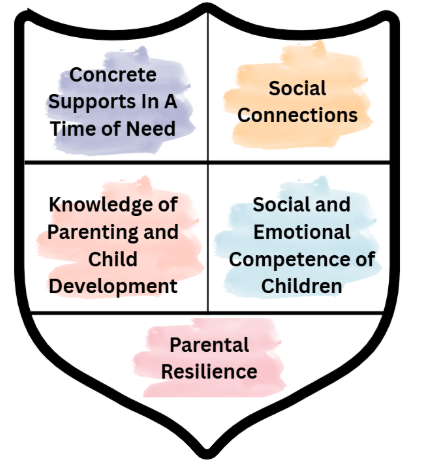
How Protective Factors Prevent Child Abuse & Neglect
When families have a strong foundation of protective factors, the risk conditions for abuse and neglect decrease significantly.

1.
A parent with strong support networks is less isolated and more likely to reach out for help when stressed.
2.
A family with access to basic needs is less likely to face stress that can overwhelm their decisions.
3.
A child with emotional and social skills can communicate needs and feelings — reducing family stress.
4.
Protective factors shift the environment to safety, nurturing, resilience, and hope.
What CTM Offers:

- Grants and funding for local prevention programs in all 83 Michigan counties.
- Education & Training
on parenting, child development, and family resilience.
- Support for local Prevention Partners providing services for families.
- Outreach, awareness campaigns, and community engagement to build networks of support.
CTM Connects:
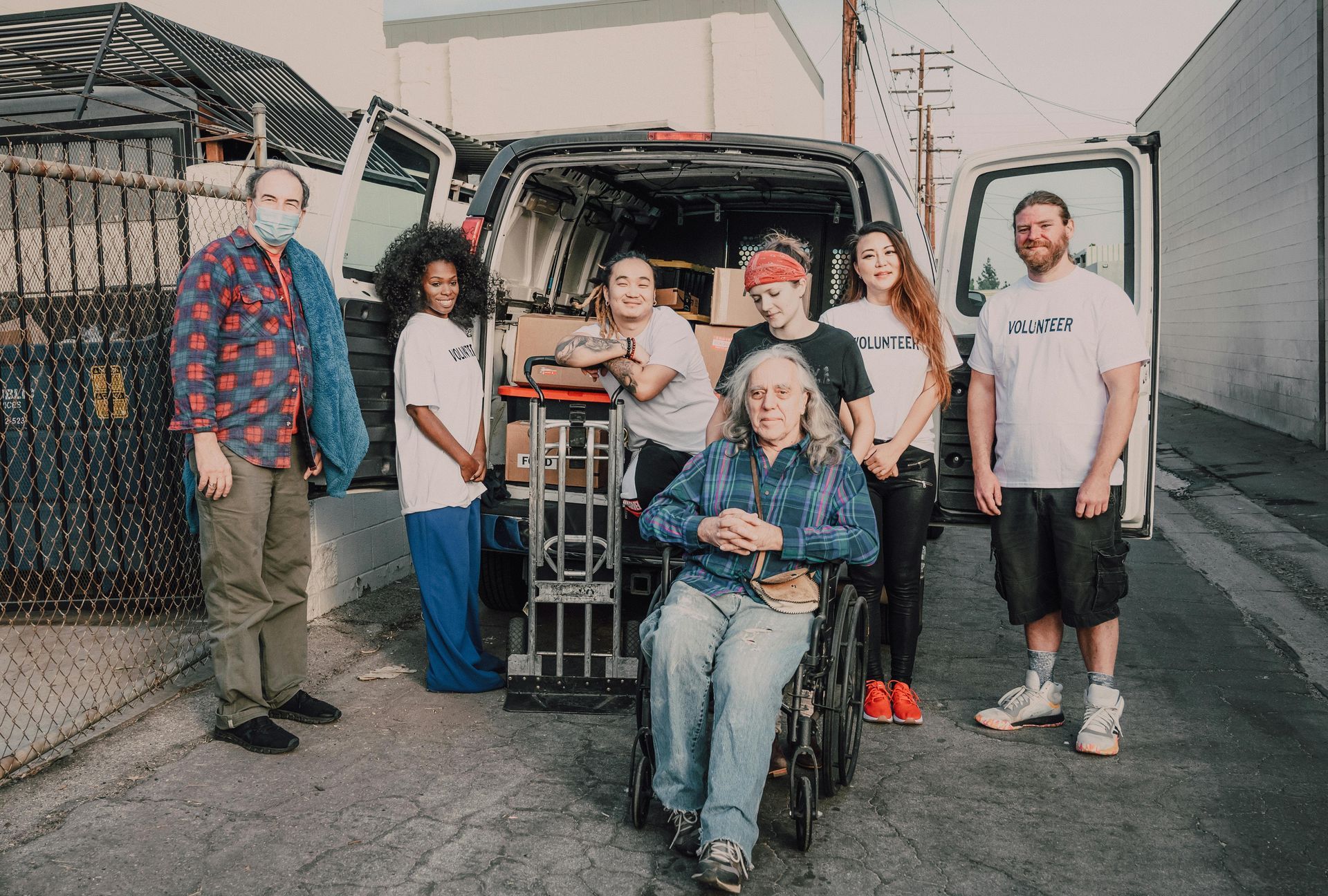
- Neighbors and community members to check in on parents, offer support, or simply show kindness.
- Schools, churches, local groups, nonprofits, businesses to help build social connections, offer resources, or host supportive programs.
- Prevention Partners across Michigan to deliver community awareness for the prevention of child abuse and neglect, parenting classes, support services, early childhood programs, and resources for families in need.
- Policymakers and funders to support policies and programs that strengthen families, promote stability, and invest in preventive infrastructure.
Protective Factors in Our Daily Lives
List of Services
-
Concrete SupportList Item 1
“I have the things that I need to support my family.” This can mean access to housing, food, water, utilities, diapers, and so much more.
-
Knowledge of Parent and Child DevelopmentList Item 2
“I know what my child’s ability is and how to support them. I know that each child is different in how they grow in different skills.”
-
Social and Emotional Competence (Ability)List Item 3
“I know how to help my child feel safe so they can express their emotions in a safe way. I know how to help my child communicate with others.”
-
Social ConnectionsList Item 4
“I know that everyone needs support. I have at least one person outside of my home that I can spend time with.”
-
Parental Resilience
“I can overcome hard things. When I face hard things I know that I can overcome them because I have done so in the past.”